iPhone Display: Examining the Impact of Peak Brightness on Outdoor Visibility
iPhone Display: Examining the Impact of Peak Brightness on Outdoor Visibility
One of the most significant advancements in iPhone display technology in recent years has been the steady increase in peak brightness. While these specifications are heavily marketed, understanding their practical impact on user experience, particularly outdoors, is crucial for informed purchasing decisions. This article delves into the relationship between peak brightness, outdoor visibility, and the inherent trade-offs involved.
Editor's pick: iPhone screen protectors on Amazon → As an Amazon Associate, this site earns from qualifying purchases.
Understanding Nits and Brightness Perception
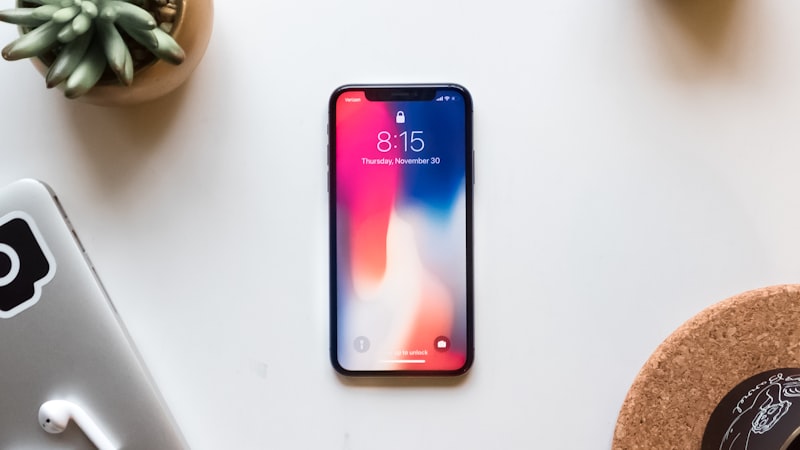
Brightness is measured in nits (candelas per square meter). A higher nit value theoretically translates to a brighter screen, making it easier to see content in direct sunlight. Modern iPhones boast impressive peak brightness figures, often exceeding 1000 nits for HDR content and sustained brightness around 800 nits for typical use. However, it's essential to recognize that brightness perception is subjective and influenced by ambient light conditions.
The Reality of Outdoor Viewing
While a 1000-nit display sounds exceptionally bright, the sun's intensity can easily surpass this value. Direct sunlight can wash out even the brightest displays, making content difficult to discern. This is where the iPhone's automatic brightness adjustment comes into play. The ambient light sensor dynamically adjusts the display's brightness based on the surrounding environment. While effective, the automatic adjustment can sometimes be slow to react or not reach the user's preferred level.
OLED Technology and Brightness Limitations
iPhones predominantly use OLED (Organic Light Emitting Diode) displays, renowned for their exceptional contrast ratios, vibrant colors, and energy efficiency. However, OLED technology faces inherent limitations when it comes to sustained high brightness. Driving OLED pixels at maximum brightness for extended periods can lead to increased power consumption and potentially accelerate display degradation, as we explored in our analysis of display technology at iPhone View. To mitigate these risks, Apple employs sophisticated power management algorithms that dynamically adjust brightness based on content, ambient light, and device temperature.
Trade-offs: Brightness, Battery Life, and Longevity
The quest for brighter displays introduces a delicate balancing act between visibility, battery life, and long-term display health. Increasing brightness invariably consumes more power, leading to shorter battery runtimes. Furthermore, continuously operating an OLED display at peak brightness can accelerate aging and potentially lead to uneven color shifts or burn-in over time. Apple's software and hardware are designed to minimize these negative effects, but users should be aware of the potential trade-offs.
Optimizing Outdoor Visibility
Several strategies can enhance outdoor visibility on your iPhone:
- Maximize Brightness Manually: Temporarily disable automatic brightness and manually increase the slider to the maximum level when in direct sunlight. Remember to re-enable automatic brightness afterward to conserve battery life.
- Reduce Reflections: Adjust your viewing angle to minimize direct reflections of the sun. Consider using your hand or body to create shade.
- Consider a Matte Screen Protector: Matte screen protectors reduce glare and reflections, improving visibility in bright environments. However, they can slightly reduce sharpness and color vibrancy.
- Use Dark Mode: While counterintuitive, dark mode can sometimes improve readability in bright sunlight by reducing the overall amount of light emitted from the display.
The Future of iPhone Displays and Outdoor Viewing
Continued advancements in display technology are focused on improving both peak brightness and energy efficiency. Future iPhones are likely to feature more efficient OLED panels or potentially explore alternative display technologies that offer superior outdoor visibility without compromising battery life or longevity. Advanced anti-reflective coatings are also crucial for mitigating glare and improving contrast in bright environments. As display technology evolves, users can expect to see further improvements in outdoor viewing performance on their iPhones.
Questions readers ask
Where is Apple's supply chain on display peak brightness outdoor right now?
Reports out of Asia consistently cite a handful of suppliers competing on the relevant component, with Apple splitting orders rather than single-sourcing. That hedging pattern tends to mean a real product is being prepared, not just an R&D exploration.
Is display peak brightness outdoor realistic for the next iPhone, or further out?
Most signals point to a later cycle rather than imminent release. Component lead times for display peak brightness outdoor suggest Apple is still validating the supply side, and the company tends to wait until yields hit production targets before committing on stage.
What's the biggest tradeoff Apple has to swallow for display peak brightness outdoor?
Every Apple decision is a tradeoff, and the obvious one here is internal volume. Adding display peak brightness outdoor costs millimetres somewhere — usually battery capacity or camera module depth — and Apple has to decide which line item to trim.
What does display peak brightness outdoor actually cost — in price, weight, or battery?
Expect a premium of roughly $200–300 over the standard model, plus a small weight penalty. Battery life is the bigger variable — early prototypes typically trade an hour or two of screen-on time for the new capability, then claw it back over a generation.
In short — what's the takeaway on oled technology and brightness limitations?
It comes back to whether Apple can ship display peak brightness outdoor without compromising the parts of the iPhone people already pay for. The detail in this section is where that case is made or broken.