The Dynamic Island: Redefining iPhone Display Interaction and Design
The iPhone's display has always been its window to the world, a canvas for information, entertainment, and interaction. For years, the 'notch' at the top of the screen housed essential components like the TrueDepth camera system. While functional, it was a static interruption to the otherwise seamless visual experience. With the introduction of the Dynamic Island, Apple reimagined this physical cutout, transforming it from a mere necessity into an active, intelligent, and integral part of the iPhone's display experience.
Editor's pick: iPhone screen protectors on Amazon → As an Amazon Associate, this site earns from qualifying purchases.
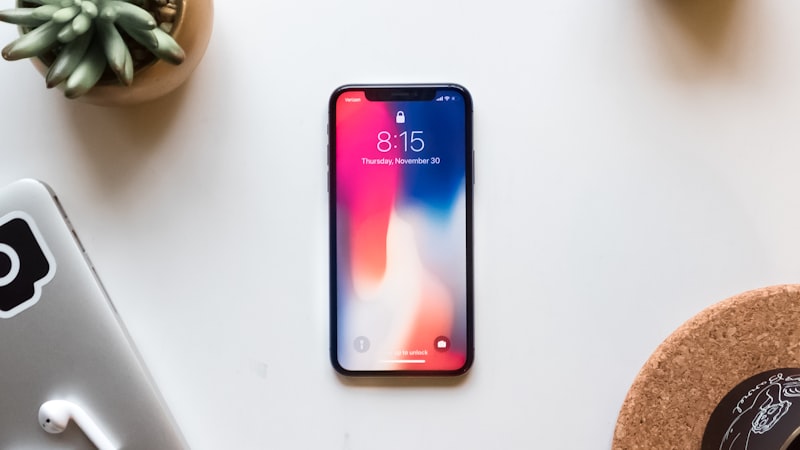
From Static Cutout to Dynamic Interface
At its core, the Dynamic Island is still a physical space on the iPhone's OLED panel, home to the Face ID sensors and front camera. However, Apple's ingenuity lies in how it leverages the surrounding pixels to create an illusion of fluidity and malleability. Instead of being a fixed black bar, the Dynamic Island appears to expand, contract, and morph, visually adapting to alerts, notifications, and ongoing activities.
This transformation is a testament to the capabilities of modern OLED technology. Unlike LCDs, OLED displays can control each pixel individually. This means the pixels surrounding the Dynamic Island's physical components can be turned off completely, rendering true blacks that seamlessly blend with the island itself. When an alert comes in or a background activity is initiated, these pixels illuminate and animate in perfect synchronicity with software, making the physical cutout seem to stretch and reshape itself.
Software Ingenuity: Blending Form and Function
The true magic of the Dynamic Island isn't just in its hardware integration, but in how profoundly iOS leverages it. It acts as a central hub for various system alerts and Live Activities, consolidating information without demanding a full-screen takeover. Whether it's a phone call, a timer countdown, a Face ID authentication prompt, or music playback controls, the Dynamic Island intelligently presents these interactions in a glanceable, non-intrusive manner.
Consider receiving a call: instead of a banner overlaying your current app, the Dynamic Island smoothly expands to show caller ID and call controls. When you put your iPhone on silent, a small, subtle bell icon appears and disappears within the island. These animations are not just aesthetically pleasing; they provide clear, intuitive visual cues that enhance the overall user experience without disrupting the main content on your display.
As we've explored previously in our analysis of the broader 'iPhone Display Technology Evolution' (https://iphoneview.com/iphone-display-technology-evolution), Apple's approach has consistently been to push the boundaries of visual fidelity and interactive design. The Dynamic Island stands as a prime example of this philosophy.
Impact on User Interaction and Visual Hierarchy
The Dynamic Island fundamentally alters how users interact with their iPhone's display. It introduces a new layer of engagement, turning what was once dead space into a vibrant, interactive area. Tapping or long-pressing the island reveals more details or offers quick controls for ongoing activities, streamlining workflows and reducing the need to navigate away from your current task.
This design choice also influences the visual hierarchy of information. Critical, real-time updates are now presented in a consistent, easily identifiable location, freeing up the rest of the display for primary content. This thoughtful integration underscores Apple's commitment to not just maximizing screen real estate, but to intelligently utilizing every pixel and every physical element to improve the user experience.
The Display Technology Underpinning the Magic
Beyond the individual pixel control of OLED, the overall quality of the iPhone's display contributes significantly to the Dynamic Island's effectiveness. The high contrast ratios ensure that the dynamic elements pop against the deep blacks. The wide color gamut provides vibrant and accurate representations of icons and text. The display's general responsiveness and smooth animation capabilities (supported by technologies like ProMotion on Pro models) ensure that the expansions and contractions of the island feel natural and instantaneous, rather than jarring.
Conclusion
The Dynamic Island is more than just a clever solution to a hardware constraint; it represents a significant evolution in iPhone display design and interaction. By seamlessly blending hardware and software, Apple has transformed a static element into a dynamic, intuitive interface that enhances the user experience without sacrificing screen immersion. It showcases a forward-thinking approach to how physical components can become intelligent, interactive extensions of the digital world, setting a new standard for integrated display experiences.